
Understanding Trauma Bonds, Infidelity, and the Complexity of Attachment
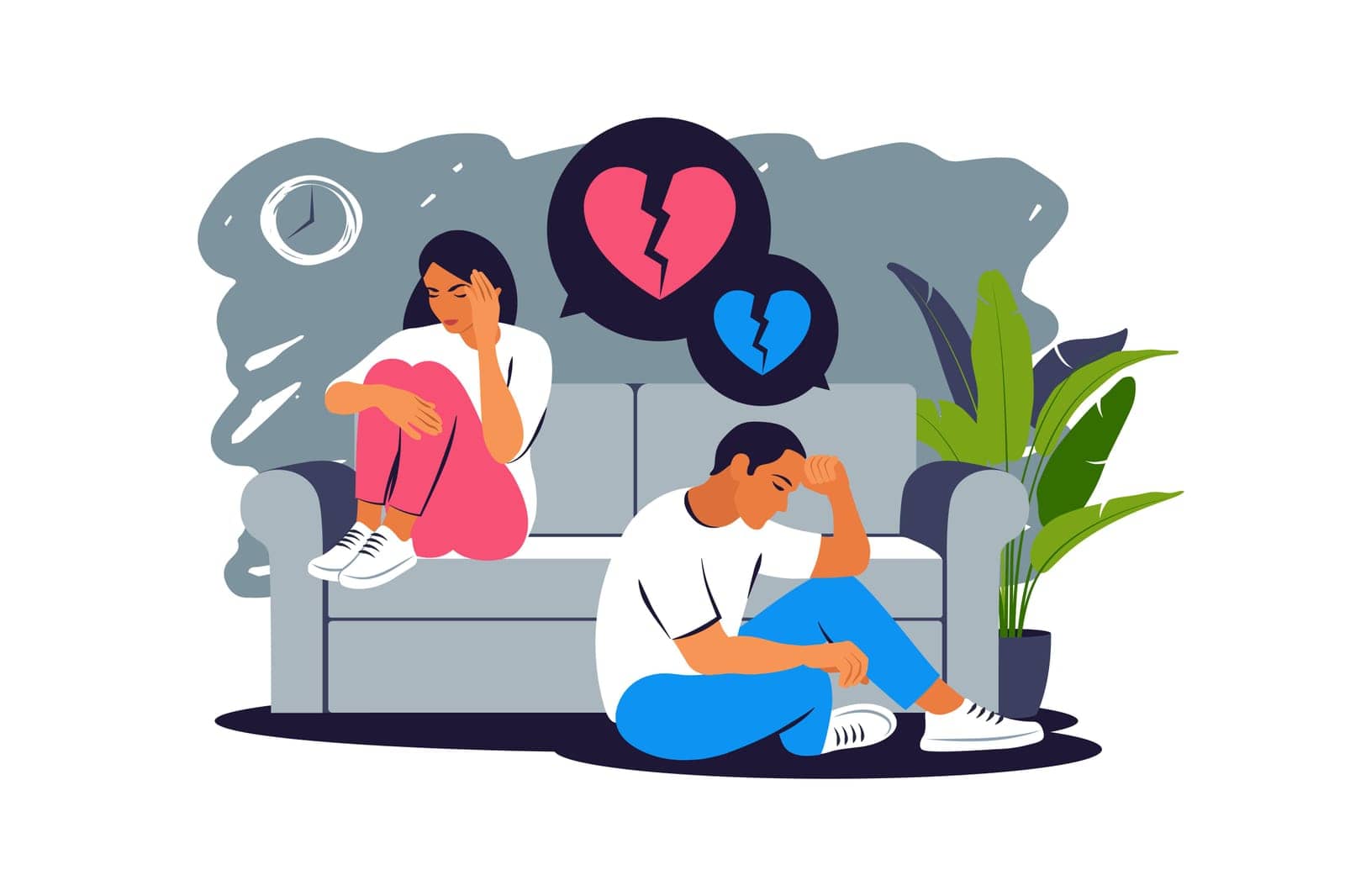
When betrayal happens, the world can feel like it’s fallen apart. You may find yourself replaying the details, questioning everything – and, perhaps most confusingly, still wanting the person who hurt you.
You might even ask yourself: “Am I crazy for wanting them back after they cheated on me?”
The short answer is no: You’re not crazy. You’re human.
The Emotional Aftermath of Betrayal
Infidelity is one of the deepest relational wounds. It shatters trust, creates emotional chaos, and leaves the betrayed partner cycling through anger, sadness, disbelief, and longing, sometimes all in the same day.
What many people don’t realize is that love and betrayal can coexist in very confusing ways. The same person who caused immense pain may also be the person your body and heart still associate with comfort and connection.
This emotional conflict is not a sign of weakness, it’s part of the trauma response that often follows betrayal.
What Is a Trauma Bond?
A trauma bond occurs when intense emotional experiences, especially those involving betrayal and intermittent affection, create a powerful attachment to the very person who caused the harm. The brain becomes wired to seek relief from the pain by returning to the source of both comfort and distress.
This bond can make it feel impossible to let go, even when you know you’ve been hurt.
Trauma bonds often show up in thoughts like:
-
“Maybe it wasn’t that bad.”
-
“If I can just understand why it happened, we can fix it.”
-
“I know he loves me, he just made a mistake.”
It’s not uncommon to oscillate between anger and longing, boundaries and hope, or clarity and confusion. That ambivalence doesn’t make you foolish—it reflects a nervous system struggling to find safety again.
Insights from A State of Affairs by Esther Perel
In her groundbreaking book A State of Affairs: Rethinking Infidelity, therapist Esther Perel challenges the black-and-white thinking often surrounding infidelity. She reminds us that affairs are not only about sex, they’re about desire, identity, and unmet needs for validation or freedom.
Perel emphasizes that “betrayal can be both a crisis and an opportunity”. While some relationships end after infidelity, others undergo a deep process of repair and rediscovery. She writes,
“The fact that you love someone doesn’t mean you won’t betray them, and the fact that you’ve been betrayed doesn’t mean you must stop loving them.”
This complexity is key: wanting your partner back doesn’t mean you condone the betrayal, it means you’re humanly wrestling with the loss of the relationship you thought you had.
It’s More Normal Than You Think
Many clients feel ashamed for not being able to “just walk away.” But emotional healing doesn’t follow a straight line. You may feel ready to leave one day and filled with longing the next.
This ambivalence is part of the healing process, not proof that you’re weak. It often reflects your attachment history, nervous system responses, and the very real emotional investment you made in the relationship.
Cutting someone off immediately after betrayal is often idealized—but in reality, most people need time to process the full emotional, relational, and practical implications of that decision.
What Healing Can Look Like
Healing from betrayal, whether you stay or leave, requires time, support, and compassionate guidance. In therapy, we can explore:
-
How trauma bonds form and how to gradually release them
-
Whether reconciliation aligns with your emotional needs and values
-
How to rebuild trust, either within the relationship or with yourself
-
Strategies for grounding, emotional regulation, and boundary-setting
Whether you ultimately decide to rebuild with your partner or move toward separation, you deserve to do so with clarity and self-compassion.
You’re Not Crazy, You’re Healing
If you’re struggling with feelings of confusion, guilt, or longing after betrayal, know that you’re not alone. Healing takes courage and care, not quick decisions.
As a Registered Psychotherapist trained in the Gottman Method and trauma-informed care, I help individuals and couples navigate the complex aftermath of infidelity: Supporting you in understanding your emotions, rebuilding self-trust, and finding a way forward that feels true to you.
📍 Green Jey Psychotherapy – Scarborough, Ontario